

This winter there are a number of vaccines available to people across South Yorkshire.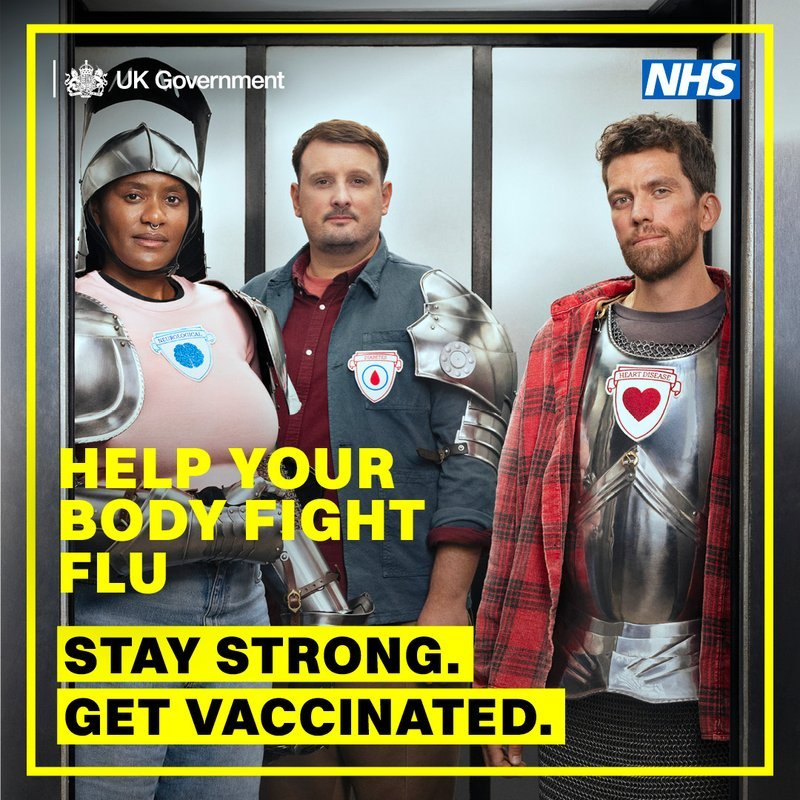
As the months get colder and people spend more time indoors in close proximity to one and other, conditions conditions such as COVID-19, flu and RSV spread more easily.
All of these viruses pose a risk of developing serious side effects and put strain on the NHS in the busy winter months.
The best method of protecting yourself and others from these viruses and potentially developing serious side effects is vaccination.
To find out more information about the vaccinations available this winter, or to check your eligibility please look below.
The flu vaccine helps protect against influenza (flu).
Flu is not just a heavy cold. Flu occurs every year, usually in the winter, which is why it’s sometimes called seasonal flu. It’s a highly infectious disease with symptoms that come on very quickly. Colds are much less serious and usually start gradually with a stuffy or runny nose and a sore throat. A bad bout of flu can be much worse than a heavy cold.
The most common symptoms of flu are fever, chills, headache, aches and pains in the joints and muscles, and extreme tiredness. Healthy individuals usually recover within 2 to 7 days, but for some the disease can lead to hospitalisation, permanent disability or even death.
Flu vaccines help protect against the main types of flu virus circulating.
Flu vaccine eligibility
The following groups are eligible to receive a flu vaccination:
From 1 September 2026:
● pregnant women
● all children aged 2 and 3 years old on 31 August 2026
● primary school and secondary school-aged children (from reception to year 11)
o (individuals 17 years and over attending a special education needs (SEN) school and who are in a clinical risk group may also be vaccinated alongside their peers)
● all children in clinical risk groups aged from 6 months to less than 18 years (as defined by the Green Book, Influenza Chapter)
From 1 October 2026:
● those aged 65 years and over
● those aged 18 years to under 65 years in clinical risk groups (as defined by the Green Book, Influenza chapter 19)
● those in long-stay residential care homes
● carers in receipt of carer’s allowance, or those who are the main carer of an elderly or disabled person
● close contacts of immunocompromised individuals
● people experiencing homelessness (defined as “rough sleepers and those using homeless hostels or night-shelters, rather than the broader definitions of homelessness”) – this is an additional cohort for 2026/27
● frontline workers in a social care setting without an employer led occupational health scheme including those working for a registered residential care or nursing home, registered domiciliary care providers, voluntary managed hospice providers and those that are employed by those who receive direct payments
All frontline health care workers, including both clinical and non-clinical staff who have contact with patients, should be offered the flu vaccine from 1 October as a vital part of their organisation’s policy for the prevention of the transmission of flu.
Social care workers directly working with people clinically vulnerable to flu should also have the flu vaccine provided by their employer. There are circumstances where frontline staff, employed by specific social care providers without access to employer led occupational health schemes (see cohort eligibility above), can access the vaccine through the NHS free of charge.
The cohorts for the flu vaccine for 2026/27 are largely the same as the cohorts for 2025/26, with the addition of people experiencing homelessness for this year’s programme.
Coronavirus disease (COVID-19) is an infectious disease caused by the SARS-CoV-2 virus.
Most people infected with the virus will experience mild to moderate respiratory illness and recover without requiring special treatment. However, some will become seriously ill and require medical attention.
COVID-19 seasonality is an ongoing area of evaluation, and cases can occur all year round. During the winter it can circulate at the same time as the seasonal respiratory infections, such as RSV and flu.
The COVID-19 vaccine is offered on the NHS to people at highest risk of getting seriously ill from COVID-19.
COVID-19 Vaccine Eligibility
For the autumn 2026 campaign, offering protection throughout winter, COVID-19 vaccination will be offered to:
● adults aged 75 years and over
● residents in care homes for older adults
● individuals who are immunosuppressed, aged 6 months and over
The RSV vaccine helps protect against respiratory syncytial virus (RSV).
RSV is a common cause of coughs and colds but in some people (especially babies and older adults) it can cause illnesses such as:
● pneumonia (a lung infection)
● bronchiolitis (a chest infection that affects babies)
These illnesses can cause serious breathing problems. They may need to be treated in hospital and can be life-threatening.
Most people get it repeatedly during their life. It occurs year-round but is most common in winter. Symptoms are mild for many, and it usually gets better by itself but for babies with small lungs, older adults with declining immune systems, and people with certain long-term health conditions it can be very serious.
Getting RSV can make symptoms worse if you have a lung condition, such as chronic obstructive pulmonary disorder (COPD).
Before the introduction of the RSV vaccination programme, RSV accounted for around 30,000 hospitalisations of children under 5 in the UK annually, and for 20 to 30 infant deaths, and caused around 9,000 hospital admissions in those aged over 75.1.
The RSV vaccine helps to reduce the risk of serious breathing problems like pneumonia and bronchiolitis. These vaccines will save lives and reduce the risk of needing admission to hospital during the winter when NHS capacity is under the most strain.
RSV Vaccine Eligibility
The RSV vaccine is recommended to:
● pregnant women (from 28 weeks of every pregnancy) to help protect the baby from RSV when they are born and in the first few months of their life when the risk of serious illness is greater
● those aged 75 or over
● all people living in a care home for older adults (aged 18 and over)
● all adults aged 65-74 who have certain chronic respiratory conditions or have
The pneumococcal vaccine helps protect against serious illnesses like pneumonia, meningitis and sepsis. It's recommended for people at higher risk of these illnesses, such as babies and adults aged 65 and over.
Pneumococcal vaccine Eligibility
● Babies: 1st dose at 16 weeks and a booster dose at 1 year
● People aged 65 and over: 1 dose when you're 65, or older
● Children and adults at higher risk of getting seriously ill*: At least 1 dose (some people may need extra doses or regular doses)


